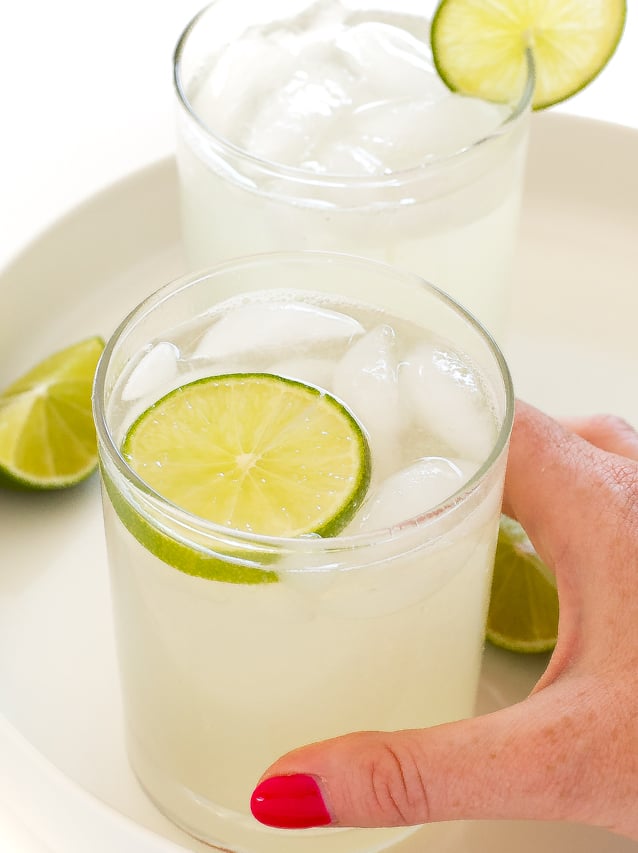
Forget everything you thought you knew about making a simple glass of limeade. While the classic combination of lime juice, sugar, and water certainly hits the spot on a sweltering day, there’s a secret technique that elevates this beloved beverage from merely refreshing to utterly extraordinary. We’re talking about a method that coaxes every last drop of vibrant citrus flavor – including the often-discarded aromatic oils from the peel – into a rich, complex syrup. This isn't just a game-changing lime syrup method for perfect limeade; it's a culinary revelation that will forever transform your homemade drinks.
For many of us, the aroma of fresh limes and the promise of a tart, sweet drink evoke memories of sun-drenched afternoons and family gatherings. I vividly recall watching my grandmother, her hands deftly rolling limes on the counter to coax out more juice, filling her kitchen with that unmistakable bright, zesty fragrance. While her traditional method was always delicious, the advent of the "peel syrup trick" has brought an entirely new dimension to the limeade recipe, capturing a depth of flavor that a simple squeeze of juice can’t achieve alone.
Why This Peel Syrup Method Elevates Your Limeade Game
The magic behind this superior limeade recipe lies in its unique approach to flavor extraction. Instead of just relying on the juice, we harness the power of the entire lime, particularly its often-underestimated peel. Lime peels are packed with essential oils – tiny pockets of intensely aromatic compounds that contribute significantly to the fruit's distinctive scent and taste. In a traditional limeade, these oils are largely left behind or only minimally released.
This method, however, uses sugar to draw out these precious oils in a process called maceration. The sugar acts as an osmotic agent, pulling moisture and flavorful oils directly from the lime rinds, creating a concentrated syrup. This results in a limeade that isn't just tart and sweet, but also boasts a complex, floral, and deeply aromatic profile that truly captures the essence of fresh limes. It’s a difference you can taste, transforming a simple drink into a sophisticated sensory experience that's far more vibrant and refreshing.
The Science Behind the Syrup: Maceration Magic
Maceration is a culinary technique often used in fruit preparations, where sugar is added to fresh fruit to draw out its natural juices and flavors. In this limeade recipe, we apply this principle specifically to the lime rinds. When the cut rinds are coated in granulated sugar and left to sit, the sugar begins to dissolve as it absorbs moisture. This osmotic pressure effectively "sweats" out the aromatic oils and remaining juices from the peels. The longer the rinds sit with the sugar, the more pronounced and concentrated the flavor of your syrup will become.
This "rind syrup" becomes a flavor bomb, infusing your limeade with a richness and complexity that pure juice alone can never deliver. It's an ingenious way to reduce food waste while simultaneously upgrading your drink, making every sip burst with bright, zesty goodness that lingers beautifully on the palate. If you're looking to craft the most refreshing & complex limeade with this unique syrup method, understanding this maceration process is key.
Your Ultimate Limeade Recipe: Step-by-Step Guide
Ready to make the best limeade of your life? Here's how to master this transformative peel syrup trick.
Essential Ingredients for the Perfect Batch
- Limes: About 8-10 medium limes (approximately 2 pounds). Look for ones that feel heavy for their size and have smooth, thin skins, indicating more juice and less bitter pith.
- White Granulated Sugar: 1½ cups for the syrup, plus more to taste if desired.
- Cold Water: 2 cups for the base, plus extra for serving.
- Ice Cubes: Essential for chilling and serving.
- Lime Slices: For an elegant garnish (optional).
Crafting the Syrupy Base: The Heart of the Flavor
- Clean Your Limes Meticulously: Since we’ll be using the peels, a thorough wash is crucial. Scrub them under cold running water to remove any wax, dirt, or residues. You can even use a vegetable brush for this.
- Roll 'Em Out: Place each lime on your counter and roll it firmly with the palm of your hand for about 10-15 seconds. This simple action breaks down the internal membranes, making the limes easier to juice and releasing more aromatic oils.
- Juice and Separate: Cut the limes in half and squeeze out all their juice. Aim for about 1¾ cups of juice. Set the juice aside. Do not discard the rinds! These are our gold. Roughly chop the juiced rinds into smaller chunks to maximize surface area.
- The Maceration Magic: In a large, non-reactive bowl (glass, ceramic, or stainless steel are ideal – avoid aluminum or other reactive metals which can impart off-flavors), combine the chopped lime rinds with the 1½ cups of white granulated sugar. Toss them thoroughly until every piece of rind is coated.
- Let the Flavors Develop: Cover the bowl tightly with plastic wrap and let it sit at room temperature for at least 3 hours. During this time, the sugar will draw out the incredible oils and remaining juices from the peels, forming a fragrant, syrupy mixture. For an even deeper, more complex flavor, you can let it sit for up to 12 hours, stirring occasionally to ensure even maceration.
Assembling Your Refreshing Drink
- Combine and Dissolve: Once the maceration is complete, add the reserved lime juice and 2 cups of cold water to the bowl with the syrupy rinds. Stir well, ensuring any remaining sugar completely dissolves.
- Strain for Perfection: Pour the entire mixture through a fine-mesh strainer into a clean glass pitcher. Use the back of a spoon or a spatula to press down firmly on the lime rinds in the strainer, extracting every last drop of that precious, flavor-packed syrup. This ensures you capture all the essence.
- Serve and Savor: Fill glasses with plenty of ice. Pour your freshly made limeade over the ice. Garnish with fresh lime slices, a sprig of mint, or even a few berries for an extra touch of elegance.
Unlock Endless Flavor Possibilities: Creative Variations & Serving Suggestions
This limeade recipe is a fantastic base, but don't stop there! It’s incredibly versatile, inviting you to experiment and create unique twists.
Refreshing Twists for Every Palate
- Fizzy Limeade: For a delightful bubbly sensation, replace some or all of the still water with sparkling water, club soda, or even a citrus-flavored seltzer just before serving.
- Herbal Infusions: Elevate the aroma and taste by adding fresh herbs. During the maceration process, tuck a few sprigs of mint, basil, or rosemary into the sugar and lime peel mixture. Alternatively, add them directly to the pitcher of finished limeade for a subtler infusion.
- Fruity Flair: Blend 1 cup of fresh strawberries, raspberries, or even sliced mango and stir the puree into your finished limeade for a vibrant, fruity variation. Adjust sweetness as needed.
- Ginger Kick: Add a few thin slices of fresh ginger to the lime rinds during the maceration phase for a subtle, warming spice note.
- Spicy Surprise: For those who love a bit of heat, muddle a thin slice of jalapeño (seeds removed for less heat) into the syrup mixture or add a dash of chili powder to the finished drink.
- Adult Indulgence: Transform your limeade into a sophisticated cocktail. Add a splash of white rum for a refreshing Mojito-like experience, or a shot of tequila for a zesty Margarita. Gin or vodka also pair wonderfully.
Expert Tips for Limeade Perfection
- Taste and Adjust: Limes vary in tartness and sweetness. Always taste your limeade before serving and adjust the sugar or water as desired. If it’s too sweet, add a bit more fresh lime juice; if too tart, a spoonful of simple syrup will do the trick.
- Don't Skimp on Ice: Limeade is best served very cold. Make sure you have plenty of ice on hand to keep it frosty and dilute it slightly to your preference.
- Storage: Store homemade limeade in a sealed pitcher or jar in the refrigerator for up to 3-5 days. The flavor might mellow slightly over time.
- Batch Size: This recipe yields a generous pitcher, perfect for a small gathering or to enjoy over a few days. You can easily double or halve the recipe to suit your needs.
Frequently Asked Questions About Homemade Limeade
Here are some common questions about making this delightful limeade recipe:
Q: Can I use bottled lime juice?
A: While you technically can, fresh lime juice is paramount for the best flavor. More importantly, this specific recipe relies heavily on the fresh peels for its unique depth, which bottled juice cannot provide. Stick to fresh limes for optimal results.
Q: What if I don't have a fine-mesh strainer?
A: A fine-mesh strainer is ideal for a smooth limeade, but if you don't have one, you can line a regular colander with cheesecloth or a clean kitchen towel. Just be sure to squeeze out all the liquid from the rinds.
Q: Can I use other types of sugar?
A: White granulated sugar works best for its neutral flavor and efficient maceration. While you could experiment with light brown sugar for a hint of caramel, it will alter the classic bright limeade flavor profile.
Q: Is there a way to make this sugar-free?
A: The sugar is crucial for the maceration process, drawing out the oils and juices. While you could theoretically use a sugar substitute for the final sweetness, the syrup aspect might not work the same way. Experimentation would be required, and the texture and flavor profile would likely differ.
This peel syrup trick is more than just a technique; it’s an invitation to rediscover the vibrant potential of one of nature’s most refreshing fruits. By embracing this maceration method, you’re not just making a drink; you’re crafting an experience – a complex, aromatic, and undeniably delicious limeade recipe that will impress every palate and become your go-to beverage for any occasion. Give it a try, and taste the secret to truly maximized citrus flavor.
